Portable Bluetooth Speaker OEM vs ODM: Which Manufacturing Model Is Better for Brands?
Portable Bluetooth Speaker OEM vs ODM: Which Manufacturing Model Is Better for Brands?
Introduction
When developing a portable Bluetooth speaker brand, one of the most important decisions is choosing the right manufacturing model.
Most brands consider two main options:
OEM (Original Equipment Manufacturing)
ODM (Original Design Manufacturing)
Both approaches have advantages, but they serve different business goals.
A startup brand looking for a fast market launch may prefer ODM.
An established brand seeking unique products may prefer OEM.
Understanding the differences helps brands choose the right development strategy.
What Is OEM Portable Bluetooth Speaker Manufacturing?
OEM allows brands to create products based on their own requirements.
The brand controls:
Product concept
Design direction
Features
Specifications
Branding
The manufacturer provides:
Engineering support
Production capability
Quality control
Manufacturing expertise
OEM is focused on creating customized products.
Advantages of OEM Portable Speakers
1. Higher Product Differentiation
OEM allows brands to create unique products.
Customization options include:
Product structure
Housing design
Materials
Sound tuning
Battery capacity
Features
This helps brands avoid direct price competition.
2. Stronger Brand Identity
A customized product can better represent:
Brand values
Target customers
Market positioning
Examples:
Outdoor brand:
Rugged design
Adventure-focused features
Lifestyle brand:
Premium materials
Elegant appearance
3. Better Long-Term Product Strategy
OEM is suitable for brands planning:
Multiple product generations
Product expansion
Market leadership
What Is ODM Portable Bluetooth Speaker Manufacturing?
ODM uses existing product platforms developed by manufacturers.
Brands can customize:
Logo
Packaging
Colors
Selected functions
The core design already exists.
Advantages of ODM Portable Speakers
1. Faster Market Launch
Because the product platform already exists:
Development time is shorter
Engineering risk is lower
2. Lower Initial Investment
ODM reduces costs related to:
Product design
Tooling
Development
This makes it suitable for:
Startups
Amazon sellers
New brands
3. Proven Product Solutions
ODM products are usually based on existing manufacturing experience.
Benefits:
Faster production
More predictable quality
Lower development risk
OEM vs ODM Comparison
| Factor | OEM | ODM |
|---|---|---|
| Customization | High | Medium |
| Development Time | Longer | Shorter |
| Investment | Higher | Lower |
| Product Uniqueness | Strong | Moderate |
| Brand Differentiation | High | Medium |
| Market Entry Speed | Slower | Faster |
Which Manufacturing Model Should Brands Choose?
Choose ODM If You Are:
A Startup Brand
Need:
Fast launch
Lower investment
Market testing
A New Amazon Seller
Need:
Proven products
Faster sales validation
Testing a New Category
Need:
Lower risk
Faster feedback
Choose OEM If You Are:
An Established Brand
Need:
Exclusive products
Strong differentiation
A Retail Brand
Need:
Unique product positioning
Long-term supply relationship
Building a Premium Product Line
Need:
Custom design
Better brand experience
Hybrid Strategy: ODM First, OEM Later
Many successful brands use a combination strategy.
Phase 1: ODM Launch
Goals:
Test market demand
Collect customer feedback
Build sales data
Phase 2: OEM Development
Goals:
Improve differentiation
Increase product value
Strengthen brand identity
This approach reduces risk while supporting long-term growth.
Factors to Consider Before Choosing
Target Market
Different markets require different strategies.
Budget
OEM requires more initial investment.
Timeline
ODM provides faster launch opportunities.
Brand Strategy
Long-term brands usually benefit from greater customization.
Portable Speaker OEM Customization Examples
Brands can customize:
Appearance
Shape
Color
Materials
Surface finish
Audio
Driver selection
DSP tuning
Bass performance
Functions
TWS
RGB lighting
Waterproof rating
Battery capacity
Packaging
Retail box
Manual
Brand materials
🏭 Real Factory Insight
In real projects, the best manufacturing choice depends on the brand's growth stage.
Many new brands immediately want full OEM customization.
However, if the market demand has not been validated, a complete custom project may create unnecessary risk.
A smarter approach is often:
Start with a proven platform → understand customer feedback → develop customized products.
The right manufacturing strategy changes as the brand grows.
How Shinedee Supports Both OEM and ODM
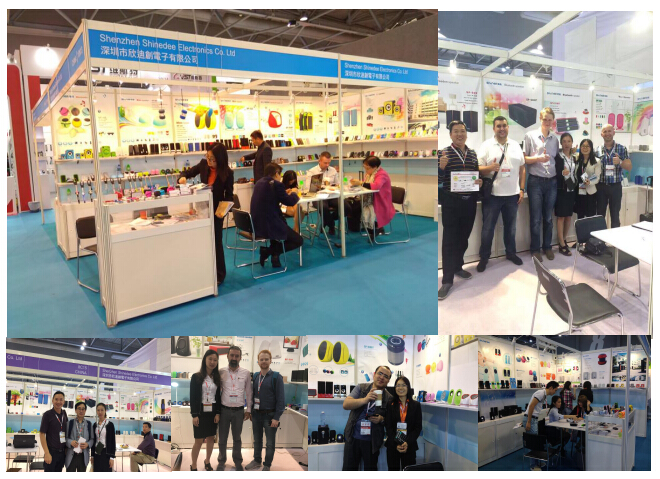
Shenzhen Shinedee Electronics provides flexible manufacturing solutions for portable Bluetooth speakers.
Our capabilities include:
ODM product platforms
OEM product development
Industrial design
Acoustic tuning
Battery optimization
Waterproof engineering
Prototype development
Mass production
Product categories:
Portable Bluetooth Speakers
Outdoor Waterproof Speakers
RGB Gaming Speakers
Gaming Soundbars
With over 15 years of manufacturing experience, Shinedee helps brands choose the right development path based on their business goals.
🔎Read: Portable Bluetooth Speaker Manufacturer: Complete OEM & ODM Guide for Brands in 2026
Frequently Asked Questions
Is OEM better than ODM?
Not always. The best choice depends on brand goals, budget, and timeline.
Is ODM lower quality than OEM?
No. ODM products can provide excellent quality when developed by experienced manufacturers.
Can ODM products become OEM products later?
Yes. Many brands start with ODM and move toward OEM customization.
Which option is better for Amazon sellers?
Many Amazon sellers start with ODM because it allows faster market testing.
Which option is better for premium brands?
OEM usually provides stronger differentiation and brand value.
Conclusion
OEM and ODM are both valuable manufacturing strategies for portable Bluetooth speaker brands.
ODM provides speed, lower investment, and reduced development risk.
OEM provides customization, differentiation, and stronger long-term brand value.
The best strategy depends on where your brand is today and where you want to go in the future.
Shinedee supports global brands with flexible OEM and ODM portable speaker manufacturing solutions, helping customers move from product ideas to successful market launches.