Portable Bluetooth Speaker Lead Time: How Long Does OEM Production Take?
Portable Bluetooth Speaker Lead Time: How Long Does OEM Production Take?
Introduction
For brands launching portable Bluetooth speakers, timing is just as important as product quality and cost.
A delayed product launch can affect:
Marketing campaigns
Retail schedules
Inventory planning
Seasonal sales opportunities
Before starting an OEM or ODM project, brands need to understand:
How long does it take to develop and produce portable Bluetooth speakers?
The answer depends on:
Product complexity
Customization level
Testing requirements
Certification needs
Order quantity
This guide explains the typical production timeline for portable Bluetooth speakers.
Overview of Portable Speaker Development Timeline
A complete OEM portable speaker project usually includes:
Product discussion
Design confirmation
Prototype development
Testing
Certification
Production preparation
Mass production
Shipment
Different project types have different timelines.
ODM Portable Speaker Timeline
Typical Time:
30–60 days
ODM projects are faster because they use existing product platforms.
Typical process:
Select product model
Confirm customization
Approve sample
Start production
Suitable for:
Amazon sellers
Startups
Market testing
OEM Portable Speaker Timeline
Typical Time:
3–6 months
OEM projects require more development.
Includes:
Product design
Engineering development
Prototype testing
Tooling
Certification
Suitable for:
Established brands
Retail projects
Exclusive products
Stage 1: Product Requirement Confirmation
Estimated Time:
1–2 weeks
The manufacturer and brand discuss:
Product positioning
Target market
Features
Price requirements
Quantity expectations
Clear communication at this stage reduces future delays.
Stage 2: Product Design
Estimated Time:
2–4 weeks
Includes:
Industrial design
Color selection
Material planning
Structural concepts
For outdoor speakers, designers consider:
Waterproof requirements
Portability
Durability
Stage 3: Engineering Development
Estimated Time:
3–6 weeks
Engineers work on:
Housing structure
PCB layout
Battery system
Acoustic design
Waterproof solutions
This stage ensures the product can move from concept to manufacturing.
Stage 4: Prototype Development
Estimated Time:
2–4 weeks
Prototype samples are created for evaluation.
Testing includes:
Appearance
Design accuracy
Material quality
Function
Bluetooth
Charging
Buttons
TWS
Audio
Sound quality
Bass
Volume
Stage 5: Testing and Optimization
Estimated Time:
2–4 weeks
Manufacturers perform:
Audio testing
Battery testing
Waterproof testing
Reliability testing
Feedback may require:
Design adjustment
Sound tuning
Function optimization
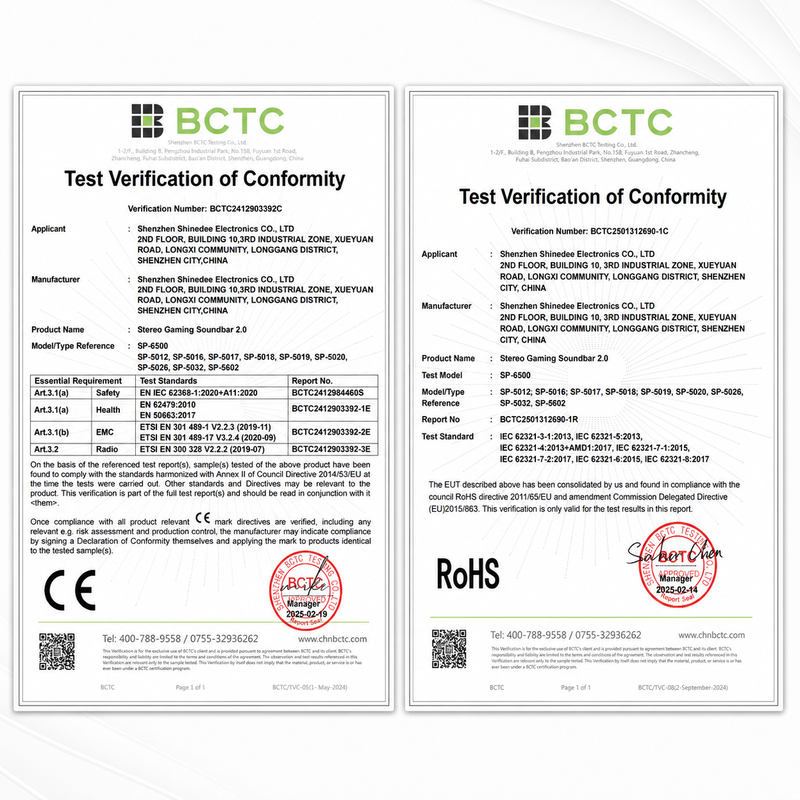
Stage 6: Certification
Estimated Time:
2–6 weeks
Depending on target market:
USA:
FCC
Europe:
CE
RoHS
UK:
UKCA
Other markets:
Local compliance requirements
Certification planning should start early.
Stage 7: Mass Production
Estimated Time:
30–45 days
After sample approval:
Production includes:
Material preparation
Assembly
Functional testing
Quality inspection
Packaging
Factors That Affect Production Time
1. Customization Level
More customization usually requires more time.
Examples:
Faster:
Logo
Packaging
Color
Longer:
New mold
New structure
Custom electronics
2. Product Complexity
Simple portable speakers require less development.
Advanced products with:
RGB
TWS
Waterproof design
Large battery
require additional testing.
3. Certification Requirements
Different markets have different requirements.
Late certification planning may delay shipment.
4. Sample Approval Speed
Customer feedback affects timeline.
Fast decisions help maintain project schedules.
5. Production Quantity
Large orders may require:
More material preparation
Longer assembly time
Additional quality control
How Brands Can Reduce Lead Time
Prepare Clear Requirements
Provide:
Product expectations
Feature list
Market information
Choose ODM When Appropriate
ODM reduces:
Design time
Engineering risk
Approve Samples Quickly
Delayed approvals are one of the most common causes of schedule changes.
Work With Experienced Manufacturers
Experienced factories already understand:
Component sourcing
Production processes
Testing requirements
🏭 Real Factory Insight
Many customers focus only on reducing production time.
However, rushing development often creates bigger problems later.
Skipping:
Prototype testing
Sound tuning
Reliability validation
may result in:
Quality issues
Customer complaints
Delayed rework
The fastest product is not always the product that reaches the market first.
A well-planned development process creates more reliable long-term results.
Portable Speaker Production Timeline Example
Requirement Discussion
        ↓
1-2 Weeks

Design & Engineering
        ↓
4-8 Weeks

Prototype Testing
        ↓
2-4 Weeks

Certification
        ↓
2-6 Weeks

Mass Production
        ↓
30-45 Days
How to Choose a Manufacturer With Reliable Delivery
Evaluate:
Project Management Ability
Can the factory provide:
Clear timeline
Regular updates
Production tracking?
Supply Chain Stability
Check:
Component availability
Production planning
Manufacturing Experience
Experienced factories can better handle:
Design changes
Production challenges
Delivery schedules
Why Choose Shinedee
Shenzhen Shinedee Electronics supports brands with complete portable Bluetooth speaker development and manufacturing solutions.
Our capabilities include:
ODM solutions
OEM development
Product engineering
Prototype production
Testing
Mass production
Quality control
Product categories:
Portable Bluetooth Speakers
Outdoor Waterproof Speakers
RGB Gaming Speakers
Gaming Soundbars
With over 15 years of manufacturing experience, Shinedee helps global brands launch audio products efficiently and reliably.
Frequently Asked Questions
How long does it take to manufacture portable Bluetooth speakers?
ODM projects may take 30–60 days, while customized OEM projects usually require several months.
What causes production delays?
Common reasons include design changes, slow approvals, certification issues, and component shortages.
Is ODM faster than OEM?
Yes. ODM usually uses existing designs and requires less development time.
Can manufacturers provide samples quickly?
Yes. Sample timing depends on product complexity and customization requirements.
Does faster production mean lower quality?
No. Proper testing and quality control are still essential.
Conclusion
Portable Bluetooth speaker production time depends on product design, customization level, testing requirements, and manufacturing preparation. Brands that plan early and choose the right OEM or ODM partner can reduce delays and launch products more successfully.
Shinedee supports global customers with efficient development processes, reliable production, and professional portable speaker manufacturing solutions.
🔎Read more: Portable Bluetooth Speaker Manufacturer: Complete OEM & ODM Guide for Brands in 2026
https://gamingspeaker.com/portable-speaker/portable-bluetooth-speaker
https://gamingspeaker.com/portable-speaker/portable-bluetooth-speaker-manufacturing-process
https://gamingspeaker.com/portable-speaker/portable-bluetooth-speaker-oem-vs-odm
https://gamingspeaker.com/portable-speaker/portable-bluetooth-speaker-cost-breakdown
https://gamingspeaker.com/portable-speaker/portable-bluetooth-speaker-moq-guide