Types of Soundbars Explained: TV, Gaming, Desktop & Bluetooth Soundbar Guide
Types of Soundbars Explained: TV, Gaming, Desktop & Bluetooth Soundbar Guide
Introduction
Soundbars have become one of the most popular audio solutions for modern consumers and businesses.
However, not all soundbars are designed for the same purpose.
Different users require different solutions:
TV viewers want better home entertainment audio
Gamers want immersive desktop sound
Computer users need compact audio upgrades
Lifestyle users want wireless convenience
For brands, retailers, and distributors, understanding different soundbar categories is essential when developing products and selecting the right manufacturing strategy.
This guide explains the major types of soundbars and their applications.
What Is a Soundbar?
A soundbar is a compact speaker system designed to improve audio performance while maintaining a simple and modern appearance.
Compared with traditional speaker systems, soundbars offer:
Space-saving design
Easy installation
Reduced cable complexity
Modern aesthetics
They are widely used in:
Home entertainment
Gaming
Desktop computing
Wireless audio applications
Type 1: TV Soundbar
TV soundbars are designed primarily for home entertainment systems.
Typical users include:
Homeowners
Movie enthusiasts
Streaming users
Main Features
TV soundbars usually focus on:
Clear dialogue
Wider sound field
Movie experience
Easy TV connection
Common connections include:
HDMI
Optical input
Bluetooth
Product Design Focus
TV soundbars usually prioritize:
Longer enclosure design
Home decoration compatibility
Powerful audio output
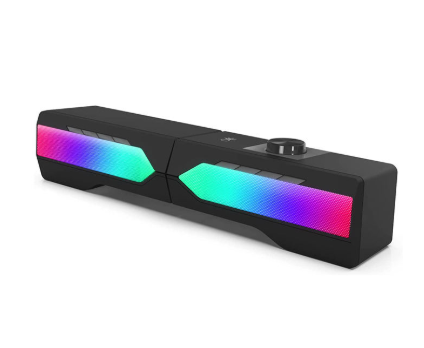
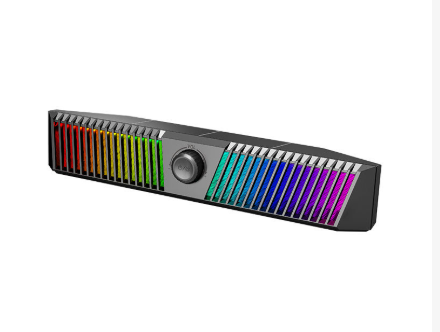
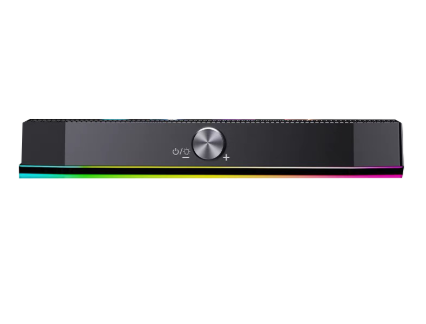
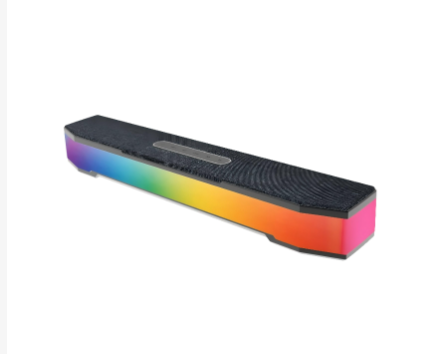
Type 2: Gaming Soundbar
Gaming soundbars are designed for PC gaming environments.
They are becoming increasingly popular among:
PC gamers
Streamers
Content creators

Main Features
Gaming soundbars often include:
RGB lighting
USB audio
Bluetooth
Compact desktop design
Design Priorities
Gaming users care about:
Gaming aesthetics
Low-latency connection
Clear sound effects
Desktop compatibility
OEM Opportunities
Brands can customize:
RGB effects
Gaming appearance
Sound profile
USB functions
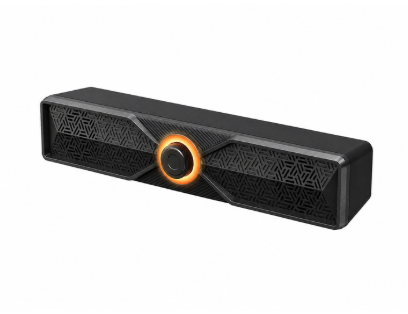
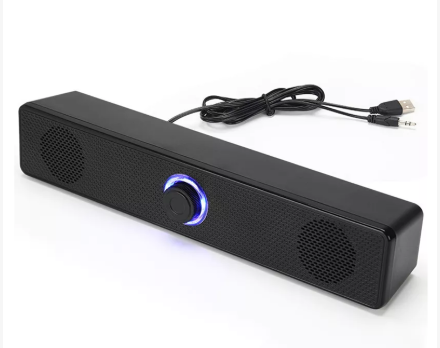
Type 3: Desktop Soundbar
Desktop soundbars are designed for computer users.
Typical applications:
Office desks
Home offices
PC setups
Advantages
Desktop soundbars provide:
Space-saving design
Simple installation
Better audio than built-in speakers
Popular Features
Including:
USB power
USB audio
Bluetooth
AUX input
Type 4: Bluetooth Soundbar
Bluetooth soundbars focus on wireless convenience.
Applications include:
Smartphones
Tablets
Laptops
Portable entertainment
Benefits
Users enjoy:
Wireless connection
Flexible placement
Easy operation
Important Technologies
Manufacturers optimize:
Bluetooth stability
Battery or power systems
Audio performance
Type 5: Portable Soundbar
Portable soundbars combine mobility with sound performance.
Features may include:
Battery operation
Compact structure
Wireless connectivity
Applications:
Travel
Outdoor entertainment
Small spaces
Soundbar Comparison Table
| Type | Main Use | Key Features |
|---|---|---|
| TV Soundbar | Home Theater | Dialogue, movies, TV |
| Gaming Soundbar | PC Gaming | RGB, USB, desktop design |
| Desktop Soundbar | Computer Use | Compact, simple setup |
| Bluetooth Soundbar | Wireless Audio | Flexible connection |
| Portable Soundbar | Mobile Use | Battery, portability |
How Brands Choose the Right Soundbar Category
Gaming Brand
Recommended:
Gaming Soundbar
Focus:
RGB
USB audio
Gaming design
Consumer Electronics Brand
Recommended:
TV Soundbar
Focus:
Home entertainment
Audio performance
Computer Accessories Brand
Recommended:
Desktop Soundbar
Focus:
Compact design
PC compatibility
Lifestyle Brand
Recommended:
Bluetooth Soundbar
Focus:
Design
Wireless experience
OEM Development Considerations
Different soundbar categories require different engineering solutions.
Acoustic Design
Engineers optimize:
Driver placement
Chamber structure
DSP tuning
Industrial Design
Consider:
Product size
User environment
Brand identity
Connectivity
Options include:
Bluetooth
USB
AUX
Other inputs depending on category
🏭 Real Factory Insight
One common mistake in soundbar development is trying to create a product that serves every market at the same time.
A gaming soundbar and a TV soundbar may look similar, but their engineering priorities are different.
Gaming products focus on:
Desktop placement
RGB experience
USB connectivity
TV products focus on:
Room coverage
Dialogue clarity
Home entertainment
Successful products start with a clear target user.
How to Choose a Soundbar Manufacturer
Evaluate:
Product Experience
Does the factory understand:
Gaming soundbars?
Desktop audio?
Home entertainment products?
Engineering Capability
Look for:
Acoustic tuning
Structural design
Electronics development
Customization Ability
Check support for:
Design
Features
Packaging
Branding
Why Choose Shinedee
Shenzhen Shinedee Electronics develops soundbar and desktop audio products for global brands.
Our capabilities include:
Gaming soundbars
Desktop soundbars
RGB speaker systems
Bluetooth audio products
OEM and ODM services include:
Product design
Acoustic tuning
Bluetooth integration
USB audio development
RGB customization
Mass production
With over 15 years of manufacturing experience, Shinedee helps brands develop soundbar products for different market segments.
Frequently Asked Questions
Are all soundbars designed for TVs?
No. Soundbars are also widely used for gaming, computers, and wireless audio applications.
What is the difference between gaming and TV soundbars?
Gaming soundbars focus on desktop use, RGB, and gaming features, while TV soundbars focus on home entertainment.
Can soundbars be customized?
Yes. OEM manufacturers can customize design, sound, features, and packaging.
Are desktop soundbars popular?
Yes. They are increasingly popular due to compact workspaces and minimalist setups.
Which soundbar category has the most opportunity?
The best opportunity depends on target customers, market positioning, and sales channels.
Conclusion
Soundbars are not a single product category—they serve different users and applications.
Understanding the differences between TV soundbars, gaming soundbars, desktop soundbars, Bluetooth soundbars, and portable soundbars helps brands develop better products.
For companies entering the audio market, choosing an experienced OEM and ODM soundbar manufacturer is essential for creating products that match customer expectations.
Shinedee supports global brands with flexible soundbar manufacturing solutions from concept development to mass production.